
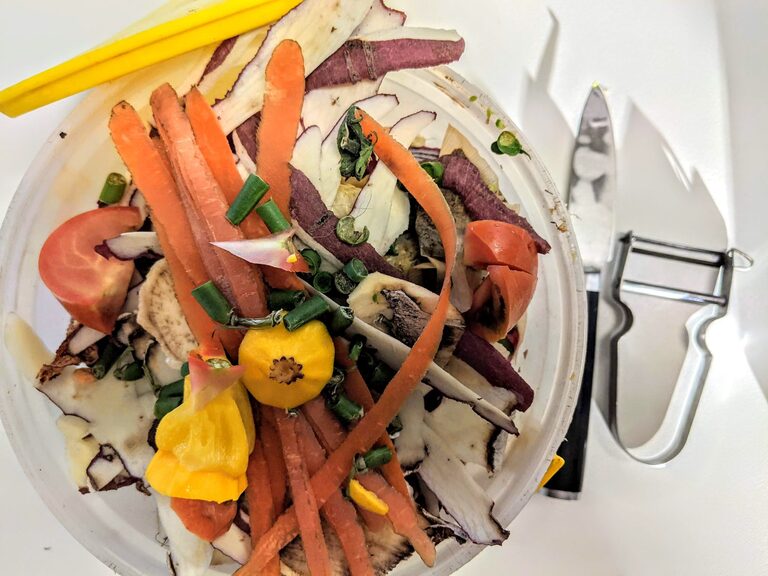
Reducing food waste at home is an achievable goal that benefits both your wallet and the planet. Every year, millions of tons of food are thrown away unnecessarily, contributing to environmental problems like greenhouse gas emissions and landfill overcrowding. Fortunately, small changes in how we shop, store, and cook food can make a big difference. In this post, we’ll explore practical ways to reduce food waste in your household.
Why Reducing Food Waste Matters
Before diving into tips, it’s helpful to understand why reducing food waste is important. When food is discarded, all the resources used to grow, transport, and package it—such as water, energy, and labor—are also wasted. Moreover, decomposing food in landfills produces methane, a potent greenhouse gas.
By cutting down on food waste, you not only conserve these valuable resources but also save money and promote a more sustainable lifestyle.
Plan Your Meals and Shopping Wisely
Make a Weekly Meal Plan
Planning your meals for the week helps you buy only what you need. Consider your schedule and portions to avoid over-purchasing. A meal plan can also inspire you to use leftovers creatively.
Create a Shopping List and Stick to It
Write down the exact ingredients and quantities based on your meal plan. Avoid impulse buys that may end up unused. Shopping when you are not hungry can also prevent unnecessary purchases.
Buy Loose or Smaller Quantities
When possible, buy loose fruits and vegetables or smaller packages to avoid excess. This is especially useful for perishable items that spoil quickly.
Store Food Properly to Extend Freshness
Understand How to Store Different Foods
Proper storage can dramatically increase the shelf life of your groceries:
– Leafy greens: wrap in a paper towel inside a breathable container.
– Berries: keep dry and unwashed until ready to eat.
– Bread: freeze what you won’t use immediately.
– Dairy: store in the main part of the fridge, not the door, for consistent temperature.
Use Clear Containers
Using transparent storage containers makes ingredients visible, helping you remember what you have and preventing spoilage.
Label and Date Leftovers
When saving cooked food, label containers with the date. This helps you use them before they spoil.
Practice Smart Cooking and Leftover Management
Cook Appropriate Portions
Making the right amount of food can be tricky. Start by measuring ingredients carefully or using kitchen scales, then adjust based on experience to avoid excess leftovers.
Repurpose Leftovers Creatively
Leftovers don’t have to be boring. Use them in new dishes like soups, salads, wraps, or casseroles. For example, leftover roasted vegetables can be blended into a sauce or added to an omelet.
Freeze Surplus Food
If you have extra cooked meals or fresh produce, freeze them to extend their life. Most foods freeze well and can be thawed later for quick meals.
Use All Parts of Your Food
Many parts of fruits and vegetables that we throw away are actually edible and nutritious:
– Potato peels can be baked into chips.
– Broccoli stems can be sliced and cooked.
– Herb stems can add flavor to stocks or sauces.
Getting creative with these parts can further reduce waste.
Compost Food Scraps
Even with the best efforts, some food scraps are unavoidable. Composting kitchen scraps like vegetable peels, coffee grounds, and eggshells is an eco-friendly way to dispose of them and create nutrient-rich soil for your garden.
If you don’t have a garden, many communities offer composting programs or drop-off sites.
Educate Your Household
Reducing food waste is easier when everyone in your home participates. Talk with family members about why food waste matters and share tips for saving food. Encourage mindful eating and conscious shopping habits together.
Monitor Your Progress
Keeping track of your food waste for a week or two can help identify patterns and areas for improvement. Use a notebook or app to jot down what you throw away and how often. This simple step can motivate you to stay on track and celebrate your success.
Conclusion
Reducing food waste at home is all about mindful habits: planning meals, storing food properly, cooking just the right amount, and using leftovers creatively. These simple practices not only save money but also help protect the environment by reducing wasted resources. Start with small changes today, and you may find that cutting down food waste becomes a fulfilling and rewarding part of your daily routine.
Remember, every bit of effort counts!