
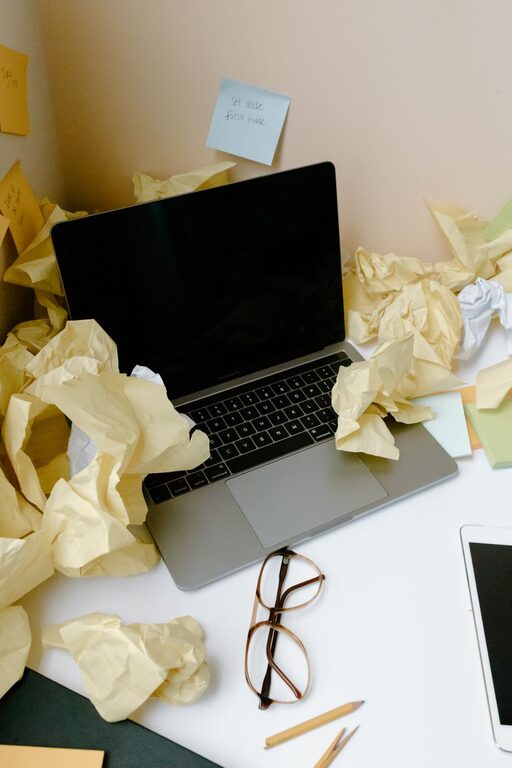
Paper clutter is a common problem in many households. From bills and receipts to school papers and magazines, it’s easy for paper to accumulate quickly and create a feeling of chaos. If you’re tired of piles of paper taking over your home, the good news is that there are simple strategies you can use to keep paper clutter under control. In this post, we’ll explore practical ways to reduce household paper clutter, helping you maintain an organized and calm environment.
Why Reduce Paper Clutter?
Before diving into solutions, it’s helpful to understand why reducing paper clutter matters:
– Saves Time: When papers are organized, you spend less time searching for important documents.
– Reduces Stress: A clutter-free space can improve your mood and focus.
– Increases Space: Less clutter means more room for what matters.
– Protects Important Information: Proper organization helps you keep track of important documents.
Now, let’s look at some effective methods to tackle paper clutter.
1. Sort and Declutter Regularly
One of the easiest ways to prevent paper clutter is by sorting through your papers regularly.
– Set a Schedule: Dedicate time once a week or month to go through mail, notes, and other papers.
– Create Three Categories: Keep, shred/recycle, and act.
– Keep papers that are important, such as tax documents or warranties.
– Shred/recycle junk mail, expired coupons, or outdated documents.
– Act refers to papers that require follow-up, like bills to pay or forms to complete.
By doing this regularly, paper won’t pile up and become overwhelming.
2. Go Digital Whenever Possible
Switching from paper to digital versions can dramatically reduce clutter.
– Opt for Electronic Statements: Most banks, utilities, and service providers offer paperless billing.
– Scan Important Documents: Digitize receipts, warranties, and personal documents using a scanner or smartphone app.
– Use Cloud Storage: Store scanned documents in secure online services like Google Drive, Dropbox, or iCloud for easy access.
– Manage Notes Electronically: Use note-taking apps or digital calendars instead of sticky notes or paper planners.
Going digital not only reduces paper but also makes it simpler to organize and search your files.
3. Designate a Paper Station
Creating a specific spot for incoming paper helps contain clutter and keeps it manageable.
– Choose a Convenient Location: Near the front door, kitchen, or home office.
– Use Organizers: File folders, trays, or bins can separate mail, bills, school papers, and other categories.
– Label Clearly: Label organizers to make sorting easy for everyone in the household.
Having a paper station encourages timely sorting and prevents papers from spreading throughout the house.
4. Use a Filing System
A well-organized filing system helps you store necessary papers neatly and find them quickly.
– Keep Categories Simple: Examples include bills, medical, insurance, taxes, personal, and household documents.
– Use Color Coding: Assign different colors to folders or labels for faster identification.
– File Immediately: Make it a habit to file papers as soon as you decide to keep them.
– Review Annually: Go through your files once a year to shred outdated documents.
A functional filing system saves space and mental clutter.
5. Limit Incoming Paper
One of the best ways to reduce clutter is to control what paper enters your home.
– Cancel Unnecessary Subscriptions: Stop magazines or catalogs you no longer read.
– Unsubscribe from Junk Mail: Use services that help you opt out of unsolicited mail.
– Share Digital Information: Instead of printing recipes, instructions, or event flyers, save or share digital copies.
Less paper coming in means less paper to sort and store.
6. Use Reusable and Multi-Purpose Alternatives
Replacing disposable paper items with reusable options can help reduce clutter.
– Go Digital for Shopping Lists or Notes: Use apps instead of paper scraps.
– Use Whiteboards or Chalkboards: For reminders and messages.
– Keep a Notebook: Instead of loose papers for jotting things down.
Minimizing loose papers reduces the chance of clutter.
7. Shred and Recycle Regularly
Proper disposal of paper you don’t need is just as important as organizing what you keep.
– Have a Shredder Handy: Shred sensitive documents like bank statements or anything with personal information.
– Recycle Non-Sensitive Paper: Junk mail, flyers, and newspapers belong in the recycling bin.
– Schedule Regular Disposal: Avoid letting piles build up by disposing of unwanted paper often.
Properly disposing of paper prevents clutter from growing over time.
8. Educate Household Members
If you live with others, everyone should be on the same page about managing paper clutter.
– Share the Paper Station: Encourage family members to use the designated area.
– Set Rules: Agree on how long to keep certain papers and what to do with incoming mail.
– Lead by Example: Demonstrate good habits to motivate everyone.
Teamwork makes it easier to maintain a clutter-free home.
—
Reducing household paper clutter doesn’t have to be complicated. By committing to simple routines, embracing digital tools, and organizing thoughtfully, you can create a more peaceful and efficient living space. Start with small changes today and enjoy the benefits of a clutter-free home!