
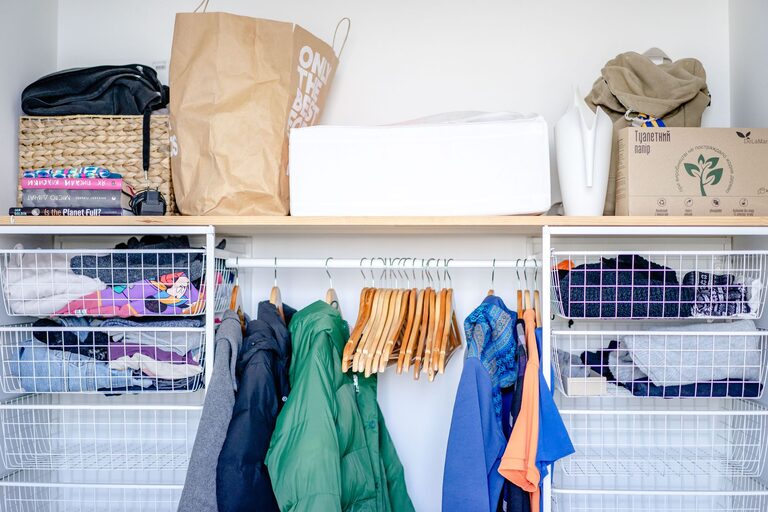
Storing seasonal clothes efficiently is key to maintaining an organized home and prolonging the life of your wardrobe. Whether you’re putting away winter coats for summer or tucking away swimsuits for the colder months, the right storage methods can save space, protect your clothes, and make switching seasons hassle-free. Here’s a detailed guide to help you store your seasonal clothing efficiently and keep everything in great condition.
Why Efficient Storage Matters
Seasonal clothes often take up a lot of room, especially bulky sweaters, coats, and boots. Without proper storage, your clothes can become wrinkled, damaged, or infested by pests like moths. Efficient storage also helps declutter your everyday closet, making it easier to find what you need and keeping your living space tidy.
Preparing Clothes for Storage
Before you pack away seasonal items, it’s important to clean and prepare them properly. This prevents stains from setting, odors from lingering, and pests from being attracted.
Wash or Dry Clean
– Follow the care labels on your clothes.
– Wash or dry clean items thoroughly to remove dirt, oils, and sweat.
– Make sure clothes are completely dry before storing to avoid mildew.
Repair and Sort
– Check for any damages like loose buttons, broken zippers, or small tears and repair them.
– Sort clothes by type (e.g., sweaters, jeans, dresses) or by frequency of use to make retrieval easier.
De-pilling and Ironing
– Remove any pills from sweaters or knitwear using a fabric shaver or comb.
– Iron or steam garments to prevent deep wrinkles during storage.
Choosing the Right Storage Containers
The type of storage container you use can greatly affect how well your clothes hold up over time. Here are some common options:
Plastic Bins
– Durable and stackable, plastic bins protect clothes from moisture and pests.
– Choose bins with airtight seals to keep out dust and humidity.
– Use clear bins or label them clearly so you can find items easily.
Fabric Storage Bags
– Breathable fabric bags are gentle on delicate clothes and prevent yellowing.
– Ideal for items like wool or silk that could be damaged by plastic.
– Store these in a dry, cool place to avoid mold.
Vacuum-Sealed Bags
– Great for saving space because they compress bulky items like coats and blankets.
– Remove air with a vacuum for compact storage.
– Not ideal for delicate fabrics that need to breathe.
Suitcases or Under-Bed Storage
– If you have limited closet space, suitcases or flat under-bed storage boxes can be practical.
– Use them wisely by organizing clothes in separate bags or compartments.
Optimal Storage Conditions
Where you store your seasonal clothes matters. Keep these tips in mind:
– Cool, Dry, and Dark: Avoid basements or attics if they tend to be damp or hot. Ideal places are closets, spare rooms, or well-ventilated storage spaces.
– Avoid Direct Sunlight: Sunlight can fade colors and weaken fabric fibers.
– Use Cedar or Lavender: Natural repellents like cedar blocks or lavender sachets help deter moths without harsh chemicals.
Organizing for Easy Access
When it’s time to switch your wardrobe, you want to find clothes quickly without digging through piles. Organize your storage thoughtfully:
Label Everything
– Label bins and bags with contents and season for quick identification.
– Use tags, stickers, or a simple label maker.
Categorize Clothes
– Keep tops, bottoms, outerwear, and accessories separated.
– Within categories, arrange items by color or frequency of use.
Use Dividers
– Drawer dividers or small boxes inside storage bins can keep smaller items like scarves or gloves tidy.
Additional Tips for Seasonal Clothing Storage
– Rotate Items: Occasionally check stored clothes to air them out and ensure no damage or pests.
– Avoid Overpacking: Don’t cram clothes too tightly; allow space for fabric to breathe.
– Invest in Quality Hangers: For hanging seasonal clothes, use padded or wooden hangers to maintain shape.
– Protect Shoes and Accessories: Store shoes in boxes or bags, and keep accessories separate to avoid scratches or damage.
Conclusion
Efficiently storing seasonal clothes benefits both your living space and your wardrobe’s longevity. By preparing your clothes properly, choosing the right storage containers, maintaining optimal conditions, and organizing thoughtfully, you can enjoy a clutter-free closet and fresh, ready-to-wear clothes every season. Start with these simple steps today and make seasonal wardrobe changes a breeze!