
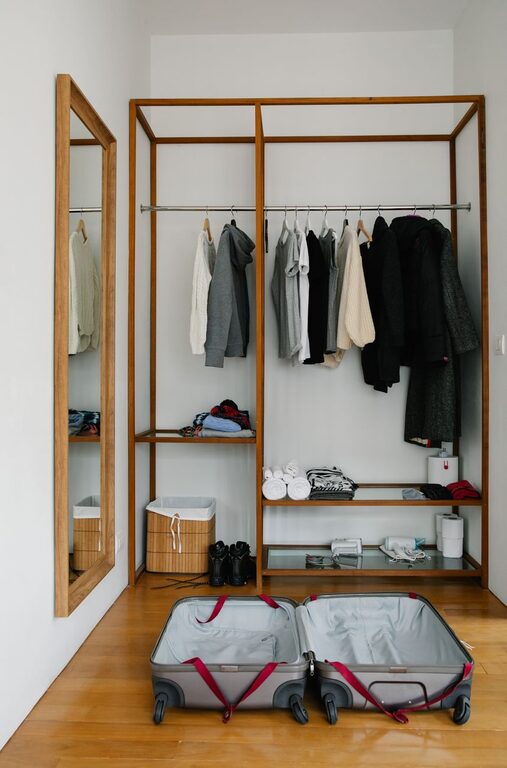
Storing seasonal clothes efficiently is key to maximizing closet space, keeping your wardrobe organized, and protecting your garments from damage. Whether you’re switching from winter sweaters to summer tees or packing away holiday outfits, having a system in place makes the transition smooth and stress-free. This guide shares practical tips and storage solutions to help you store seasonal clothes effectively.
Why Store Seasonal Clothes Properly?
Proper storage prevents clothes from getting wrinkled, stained, or damaged by pests. It also saves space and makes it easier to find what you need when the season changes. Efficient storage extends the life of your garments and keeps your living space tidy.
Preparing Clothes for Storage
Before storing your seasonal clothes, preparation is essential.
Clean Everything
– Wash or dry clean clothes to remove oils, dirt, and stains that could set or attract insects.
– Make sure everything is completely dry to prevent mold and mildew growth.
Repair and Mend
– Fix loose buttons, small tears, or broken zippers to avoid more damage while in storage.
Sort and Declutter
– Use this opportunity to donate or recycle clothes you no longer wear.
– Organize clothes by category (e.g., tops, bottoms, outerwear) or fabric type.
Choosing the Right Storage Containers
The type of container you use affects how well your clothes stay protected.
Plastic Bins with Tight Lids
– Keep out moisture, dust, and pests.
– Opt for clear bins so you can see what’s inside without opening them.
– Consider adding silica gel packets to absorb any residual moisture.
Vacuum-Sealed Bags
– Ideal for bulky items like winter coats or comforters.
– Saves significant space by compressing clothes.
– Avoid leaving delicate fabrics compressed for too long to prevent creasing.
Fabric Storage Bags
– Breathable and protects clothes from dust.
– Best for natural fabrics that need air circulation.
Drawer Dividers and Storage Boxes
– Great for smaller items like scarves, gloves, and hats.
– Helps keep items organized within larger containers.
Optimal Storage Locations
Where you store your seasonal clothes matters as much as how you store them.
– Cool, dry areas are best to avoid mold, mildew, and fabric deterioration.
– Avoid attics or basements if they tend to be humid or subject to temperature extremes.
– Closets, under-bed storage, or dedicated storage furniture work well.
Tips for Maximizing Closet and Storage Space
Use Vertical Space
– Add hanging organizers or extra rods to maximize closet height.
– Use hooks for accessories or bags.
Label Everything
– Clearly mark bins and bags by season or clothing type.
– This saves time when searching and reduces unnecessary unpacking.
Rotate Seasonally
– Keep current season’s clothes accessible.
– Store off-season clothes out of the way but easy enough to swap when needed.
Protecting Clothes from Pests
Moths and other insects can damage stored fabrics.
– Use natural repellents like cedar blocks, lavender sachets, or rosemary.
– Regularly check stored items and containers for any signs of pests.
Maintaining Your Stored Clothes
– Occasionally air out stored clothes to keep them fresh.
– Rewash and inspect clothes before putting them back in storage to maintain quality.
Conclusion
Efficient storage of seasonal clothes helps you save space, protect your wardrobe, and stay organized throughout the year. By preparing clothes properly, choosing the right containers, and storing them in suitable locations, you can extend the lifespan of your garments and make seasonal transitions easy. With these simple tips, your seasonal wardrobe will always be ready when you need it.