
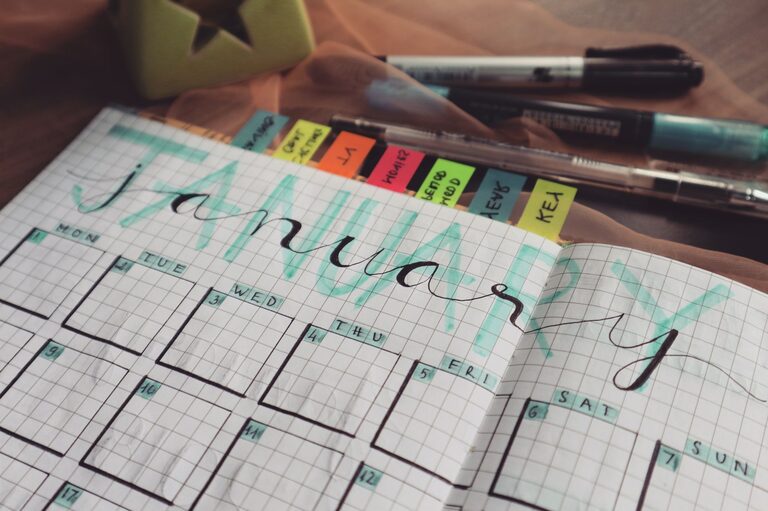
Taking time off to relax and recharge is essential for overall well-being. However, planning a weekend that truly feels stress-free can sometimes be challenging. Between work obligations, social commitments, and everyday tasks, it’s easy to feel like your weekend flies by without the rest you need. The good news? With a little intentional planning, you can create a no-stress weekend that leaves you refreshed and ready for the week ahead. Here’s how to do it.
Why Planning a No-Stress Weekend Matters
Before diving into the steps, it’s helpful to understand why planning your downtime matters. A no-stress weekend doesn’t just happen—it takes mindful choices. When you plan ahead, you set boundaries, prioritize relaxation, and avoid last-minute to-dos that drain your energy. This approach helps you enjoy your free time fully instead of feeling rushed or anxious.
—
Step 1: Set Clear Intentions
Start by deciding what a “no-stress weekend” means to you. Is it complete solitude, spending time with loved ones, enjoying hobbies, or a mix of these? Write down your goals or intentions for the weekend. This helps you stay focused on what truly matters.
Questions to consider:
– What activities help me feel relaxed?
– Do I want social time or quiet time?
– How much time do I want to spend offline?
—
Step 2: Plan Your Schedule Lightly
A no-stress weekend doesn’t mean no schedule at all—it means a flexible, manageable plan. Use a simple list or calendar to outline a few key activities or blocks of time, such as:
– Morning walk
– Reading or hobby time
– Cooking a favorite meal
– Meet-up with friends or family
– Relaxation or meditation session
Keep your schedule open enough to avoid pressure, but planned enough to prevent aimlessness.
—
Step 3: Declutter Your Space and Mind
A cluttered environment can add to your stress. Take a little time before the weekend starts to tidy up your living space. This doesn’t mean deep cleaning—just clearing surfaces, organizing a few things, and creating a calming atmosphere.
To clear your mind, consider writing a to-do list for the next week so your thoughts don’t keep circling around unfinished tasks. Journaling or practicing a short mindfulness exercise can also help.
—
Step 4: Limit Technology and Notifications
Constant notifications and screen time can increase stress levels. Plan to limit your use of smartphones, emails, and social media during your no-stress weekend.
Try turning off non-essential alerts or setting specific times for checking devices. This digital detox allows you to be more present with your surroundings and activities.
—
Step 5: Prepare Meals in Advance
Decide if you want to cook or eat out. If you prefer home-cooked meals, prepare some ingredients or meals in advance, so you’re not stressed about cooking.
Simple, healthy meals boost your energy and mood. Consider easy recipes like salads, stir-fries, or slow cooker meals that require minimal effort during the weekend.
—
Step 6: Include Relaxation Practices
Incorporate activities that promote relaxation:
– Deep breathing or meditation: Even 5-10 minutes can calm the mind.
– Gentle exercise: Yoga or stretching helps release tension.
– Reading: Choose light or enjoyable books.
– Creative hobbies: Painting, knitting, or other crafts can be therapeutic.
Choose what feels right for you and schedule it into your day.
—
Step 7: Spend Time Outdoors
Fresh air and nature are powerful stress relievers. Plan a walk in a local park, a hike, gardening time, or simply sitting outside with a cup of tea.
Being outdoors can improve mood, boost vitamin D, and encourage physical activity.
—
Step 8: Set Boundaries
Communicate your plans with family, friends, or roommates so they understand you’re reserving time for rest. Politely decline invitations or work requests if they interfere with your no-stress weekend.
Setting these boundaries protects your downtime and helps others respect your needs.
—
Step 9: Reflect on Your Weekend
After your no-stress weekend, take a few minutes to reflect on what worked well and what didn’t. Did you feel rested? Which activities were most beneficial?
This reflection can help you improve your next weekend plan and make relaxation a regular habit.
—
Bonus Tips for a No-Stress Weekend
– Get enough sleep: Prioritize rest to fully recharge.
– Avoid overcommitting: Say no to extra plans that cause worry.
– Practice gratitude: Focus on positive moments to enhance well-being.
– Limit caffeine and alcohol: These can affect sleep and anxiety levels.
– Create a cozy environment: Use soft lighting, comfortable clothes, and calming scents.
—
Final Thoughts
Planning a no-stress weekend is about balance, intentionality, and self-care. By setting clear goals, organizing your time thoughtfully, and protecting your mental and physical space, you can enjoy a weekend that truly refreshes you. Try implementing these steps and discover the joy of a truly relaxing break.
Remember, the key to a no-stress weekend is not perfection but kindness to yourself and the willingness to slow down. Happy relaxing!